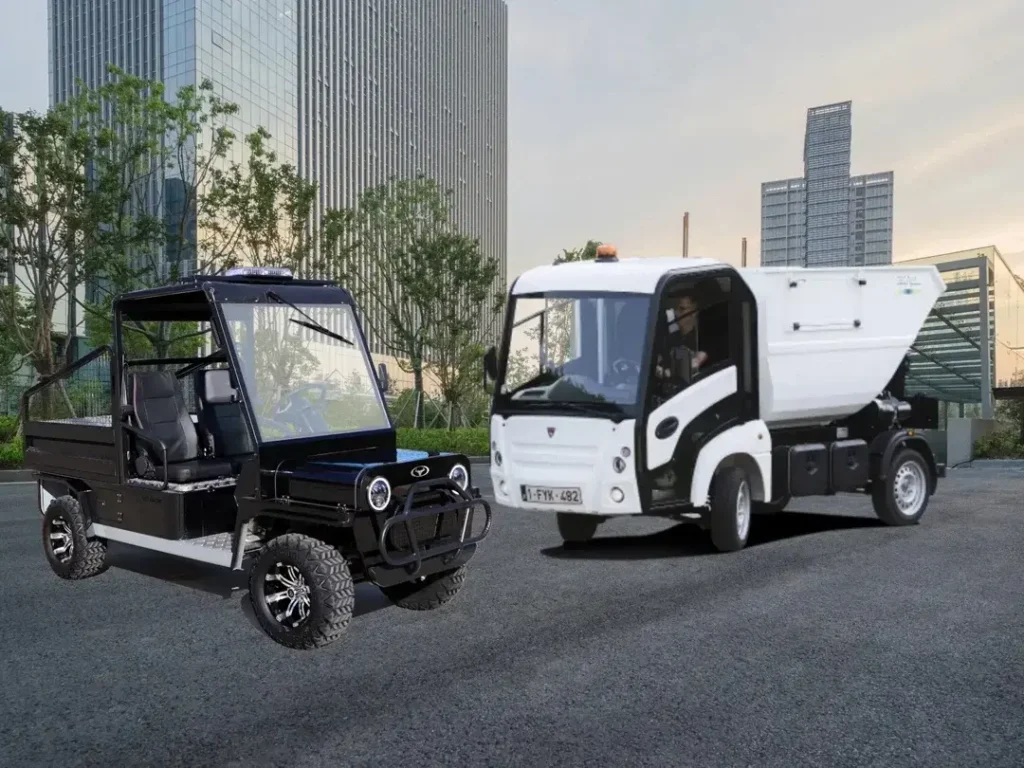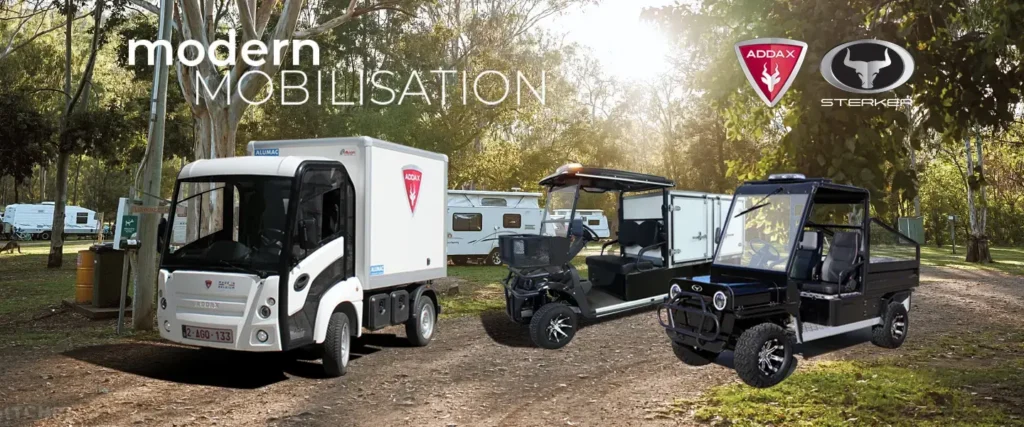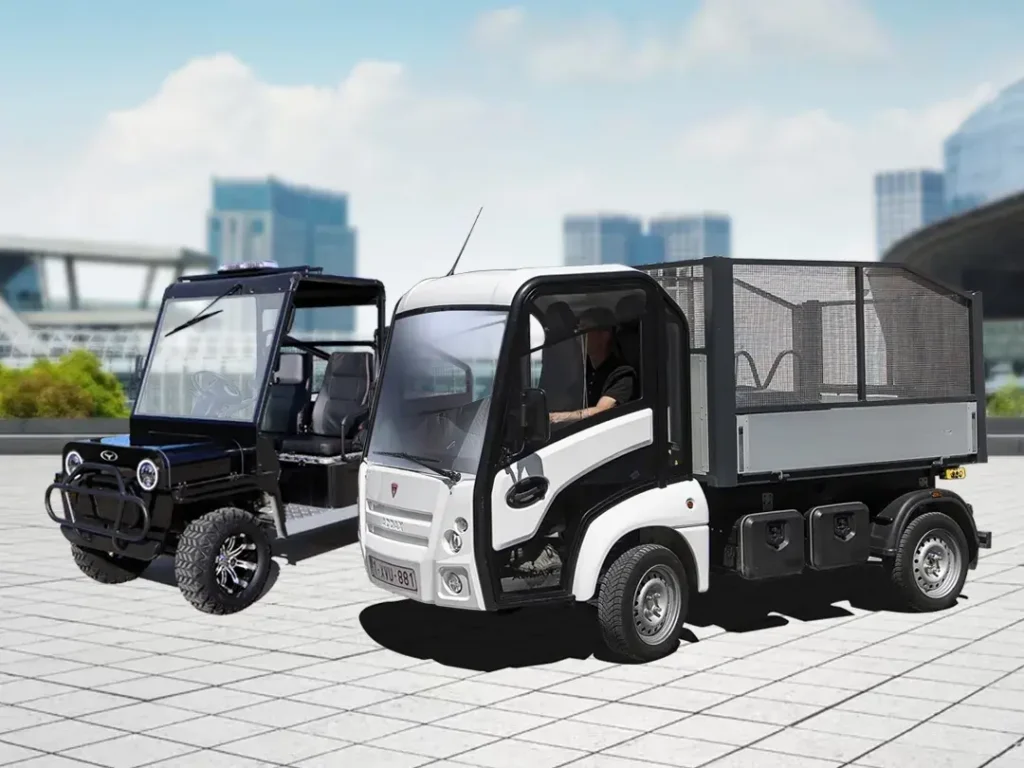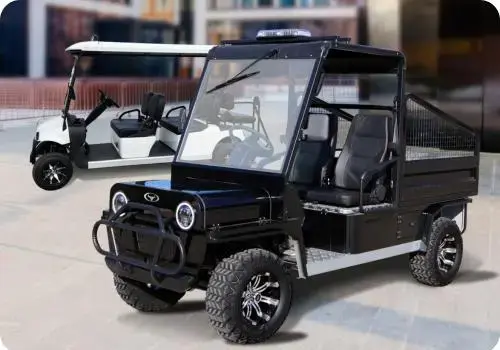
This article was originally published by EcoPower, which is now proudly integrated into Conquest as one team, with one goal: getting the right electric vehicles into the hands of Australian operators. Explore our full range of electric farm vehicles and maintenance equipment and start reaping the benefits.
The agricultural industry is experiencing a significant shift towards sustainability, with electric farm vehicles (EFVs) and utility vehicles (UTVs) increasingly becoming popular. Electric vehicles designed for farm use are becoming more in demand as farmers seek to reduce their carbon footprint and lower operational costs without compromising on productivity or performance. This article explores the benefits and features of electric farm vehicles, key brands and models, and how to choose the right type of approved electric utility vehicle used for your farming needs.
What are Electric Farm Vehicles?
Definition and Overview
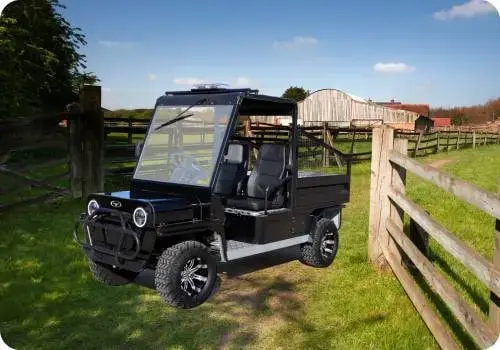
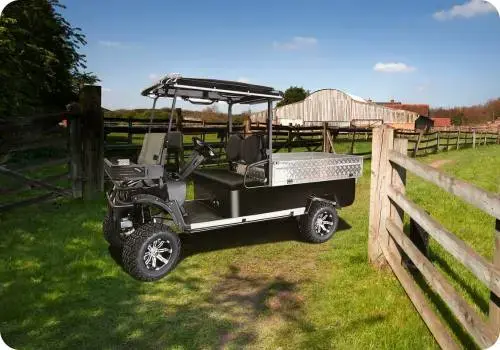
Electric farm and utility vehicles are battery-powered machines explicitly designed for various agricultural work tasks, such as transporting fertiliser, heavy equipment, irrigation parts and personnel across vast properties. Unlike traditional farm vehicles that rely on internal combustion engines, EFVs use electric motors powered by rechargeable batteries to deliver cleaner operations without compromising performance and uptime. The primary appeal of EFVs is their environmental friendliness, lower operating costs, and increasing technological advancements that make them highly efficient for farm use.
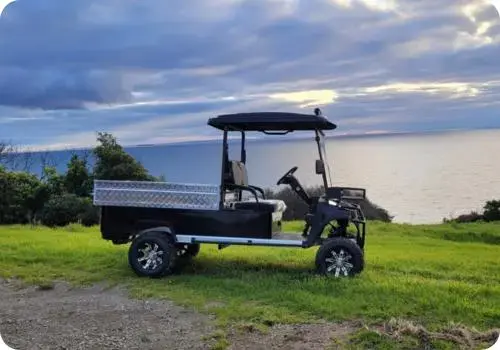
Key Features of Electric Farm Vehicles
EFVs and UTVs have specialised, advanced features that make them suitable for the demanding farming environment. Key features include:
High Torque:
Electric motors provide both power and instant torque, essential for tasks requiring significant pulling power, range, distance, towing capacity, and other daily tasks such as ploughing or hauling cargo.
Zero Emissions:
EFVs produce no tailpipe emissions, making them an environmentally friendly option for meeting sustainability goals. The last of emissions also promotes safer working conditions inside sheds, greenhouses, and livestock enclosures.
Low Noise Levels:
Operating near silently, EFVs minimise noise pollution on the property, protecting operator hearing and preventing panic among cattle, horses, and sheep. This also allows you to work any time of the day or night without disturbing livestock or other personnel.
Battery Life and Range:
Modern EFVs have long-lasting and long range Lithium-ion batteries that can, on a single charge, sustain a full day’s cargo load, work, and an extended, comfortable ride across large properties.
Advantages of Using Electric Farm Vehicles
Environmental Benefits
One of the most significant advantages of electric farm vehicles is their positive environmental impact. Most traditional, petrol-powered farm vehicles contribute to greenhouse gas emissions, which are a leading cause of climate change.
EFVs, on the other hand, operate without emitting any harmful pollutants. This means that farmers can significantly reduce their carbon footprint and contribute to a healthier planet by transitioning to electric vehicles. Furthermore, EFVs help with emissions and reduce noise pollution, creating a more pleasant working environment on the farm.
Cost Savings and Efficiency
Electric farm vehicles offer considerable cost savings over time. Although the initial investment might be higher than traditional vehicles, the lower operating and maintenance costs make EFVs a cost-effective option in the long run. Electric motors are more straightforward and have fewer moving parts than internal combustion engines, reducing wear and tear. Farmers may also be able to benefit from government incentives and grants designed to promote the adoption of sustainable technologies in agriculture.
Performance and Maintenance
Electric farm vehicles are known for their excellent performance, particularly in challenging conditions. They offer superior torque over varied and rugged terrains and are crucial for heavy-duty farming tasks. Additionally, the absence of gears and transmissions in electric vehicles translates to smoother and more responsive operation.
Maintenance is another area in which EFVs excel. Featuring fewer mechanical components subject to friction and heat wear, electric vehicles require less maintenance, reducing downtime and lower servicing costs. The regenerative braking system, which recharges the battery during downhill descent also extends the life of the electric vehicle’s brakes.
Popular Electric Farm Vehicle Brands & Models
Leading Brands in Australia
Australia is home to several leading brands of electric farm vehicles. These brands are known for their innovation, reliability, and commitment to sustainability. Some of the top brands, which are also available through Conquest include:
Sterker:
Known for its robust construction, Sterker is a popular choice among Australian farmers and customers. Their full range of electric motor and utility vehicle accessories and chassis are designed to handle Australian farms’ rugged terrain and challenging driving conditions.
Top Models for Farm Use
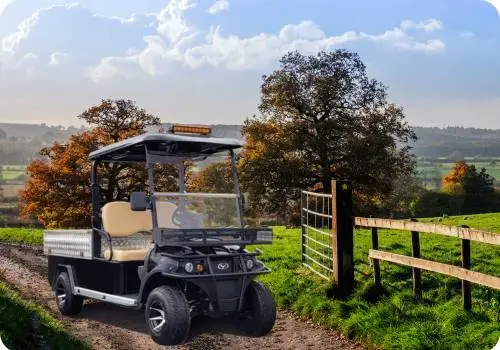
Sterker has developed a line of electric utility vehicles that are particularly well-suited for the demands of modern farming. Among the top models available in the market are the Sterker Wild Warrior, Sterker Apache and Sterker Gladiator, which stand out for their performance and reliability:
Sterker Wild Warrior:
Known for its rugged design and durability, the Wild Warrior is ideal for tackling challenging terrains and heavy-duty tasks. Its powerful motor and high-capacity battery make handling the most difficult jobs easy.
Sterker Apache:
This model is designed for heavy-duty tasks on farms. Its engine is equipped with a powerful electric motor that delivers high torque. It is ideal for ploughing, hauling, and other demanding farm operations.
The Apache is also known for its durability, efficiency, and long battery life, making it a top-choice vehicle for farmers who need a rugged chassis and battery.
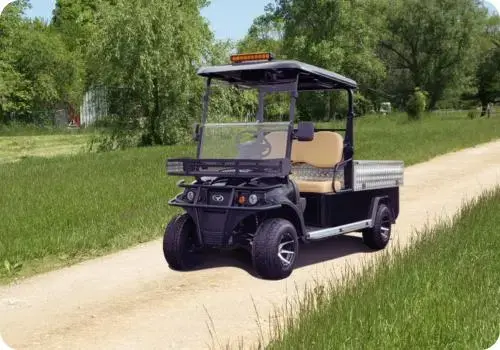
Sterker Gladiator:
The Gladiator is a versatile utility vehicle that excels in everyday farm tasks and specialised applications. Its compact design allows it to navigate through tight spaces, while its robust build ensures it can easily handle heavy loads.
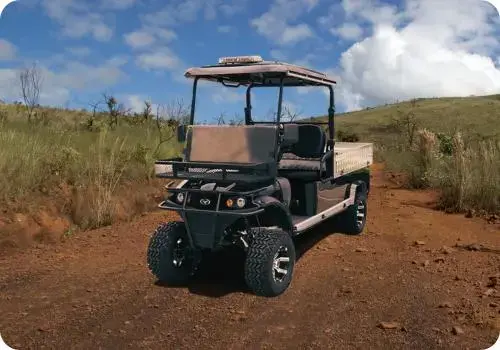
Applications of Electric Vehicles on the Farm
Daily Farm Operations
Electric farm vehicles (EFVs) are highly versatile and can be used in most terrains for daily farm operations. They provide a reliable and eco-friendly solution for routine agriculture tasks in most terrains, from transporting feed and supplies to moving livestock. Their quiet operation, compact dimensions and excellent performance also make them ideal for working around animals, while reducing stress and disturbance.
Specialised Farming Use
In addition to daily operations, electric farm vehicles are well-suited for specialised farming tasks. For instance:
Vineyard Management:
Electric vehicles’ quiet operation makes them ideal for vineyards, where noise pollution can be a concern. Their precision and control also allow for delicate tasks such as pruning and harvesting. Additionally, the compact design allows easy navigation between narrow vine rows without damaging trellis infrastructure.
Greenhouse Operations:
Producing low noise levels and zero emissions, electric vehicles are perfect for navigating through indoor farming environments like greenhouses, where emissions and loud noises present serious health and safety risks for workers.
Orchard Work:
Electric vehicles are used in orchards for fruit picking and tree maintenance, where their maneuverability and performance are highly valued. Precise speed control at low RPM allows workers to navigate rows easily and perform tree pruning and fruit picking tasks efficiently without constant engine idling.
Comparison with Traditional Farm Vehicles
Compared to traditional petrol-powered farm vehicles, EFVs and UTVs offer several advantages, including:
- Lower operating costs,
- Increased range,
- Better efficiency,
- Emission-free operation,
- Reduced environmental impact
- Lower noise pollution
- Less maintenance.
However, factors such as the vehicle’s battery, maximum operating range, terrain, load, driving conditions, and distance from charging infrastructure must be considered before making the investment. While EFVs are well-suited for many farm applications, they may not be the best choice for extremely large farms or agricultural work operations requiring constant, extended, heavy-duty use without the opportunity to recharge the vehicle battery.
How to Choose the Right Electric Farm Vehicle
Assessing Farm Needs
Choosing the right electric farm vehicle begins with assessing your specific farm needs. Consider the types of tasks you need the electric utility vehicle for, the size of your farm and the typical terrain you work on. A model like the Sterker Apache might be ideal if your farm requires heavy-duty utility vehicles for ploughing or hauling whereas a compact utility electric vehicle, like the Sterker Gladiator, could be a better fit for lighter tasks or operations in confined spaces.
Evaluating Specifications
Once you clearly understand your needs, evaluate the specifications of different models, such as:
- Battery life,
- Charging time,
- Load capacity,
- Maximum operating range,
- Maximum torque.
Ensure the vehicle’s specifications align with the demands of your farm operations. It’s also worth considering the availability of charging stations on your property or nearby, as this will impact the vehicle’s practicality.
Test Driving and Reviewing Models
Before deciding, you must test drive the vehicles you’re interested in. This will give you a feel for their performance and handling. Additionally, read reviews and speak to other farmers with EFV experience. Their insights can provide valuable information on the vehicle’s reliability, maintenance requirements, and overall performance.
Discover Conquest’s Range of Electric Farm Vehicles
Conquest offers a comprehensive range of electric farm vehicles and UTVs specifically designed to meet the diverse needs of Australian farmers. Whether you’re looking for a powerful utility vehicle for heavy-duty tasks or a versatile people mover for daily operations, Conquest has a model that fits the bill. Explore our offerings, including the Sterker Wild Warrior, Sterker Apache and Sterker Gladiator, to find the right utility vehicle for your farm.

Get in Touch with Conquest
Ready to make the switch to electric farm vehicles? Contact Conquest today to request a quote or schedule a test drive. Our team of experts can help you choose the right electric utility vehicle for your farm and provide all the information you need to make an informed decision. Additionally, you can download a brochure to learn more about our products and services.
By choosing Conquest’s electric farm vehicles, you’re investing in your farm’s future and efficiency and contributing to a more sustainable and environmentally friendly agricultural industry.