This article was originally published by EcoPower, now proudly integrated into Conquest. By combining our expertise, we deliver best-in-class electric industrial cleaning, maintenance, and transport solutions, all backed by nationwide servicing, expert support, and a single trusted name.
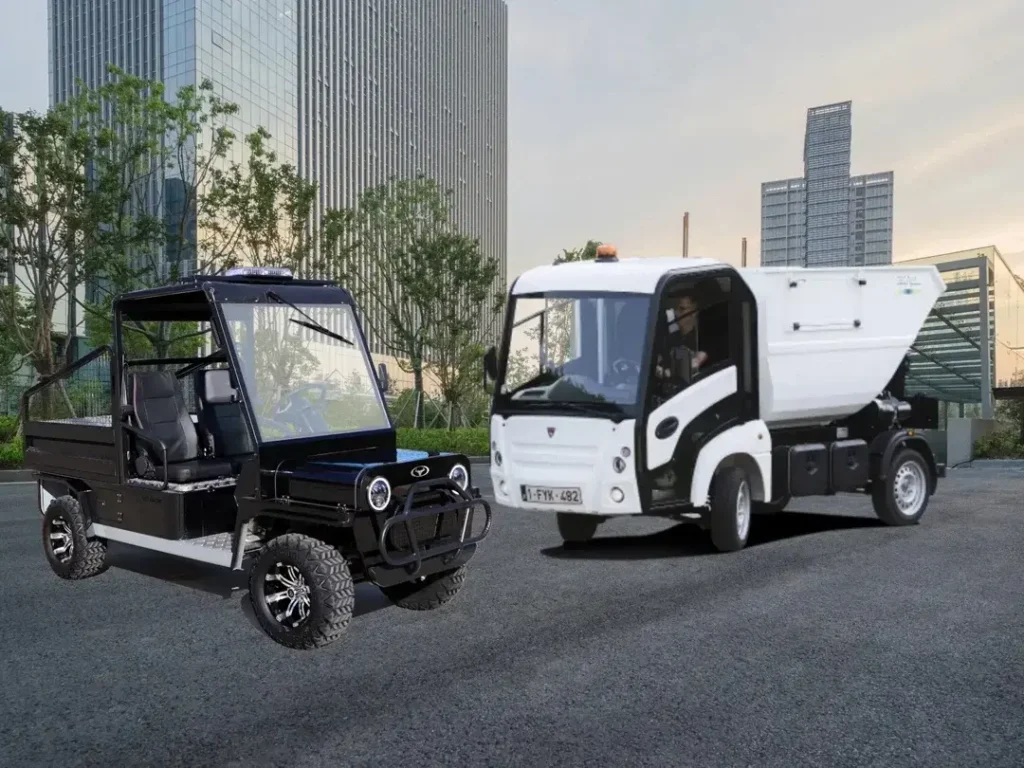
As the world increasingly shifts towards more sustainable practices, the transportation sector plays a crucial role in reducing carbon emissions. Electric utility vehicles (UTVs) have emerged as a promising solution for businesses looking to transition their fleet to cleaner and greener alternatives without compromising on performance or capacity.
Utility vehicles are essential in various industries, including agriculture, construction, and transportation. The two most popular types of UTVs are electric and gas-powered ones, and while both types have their benefits and drawbacks, it is essential to compare them based on cost, performance, and sustainability to make an informed decision for your specific needs.
Key Factors to Compare in UTVs
Cost
Cost is a crucial factor that influences any decision-making process in a company, and it is especially important when choosing UTVs. Electric UTVs typically have to carry a higher upfront cost compared to their gas-powered counterparts.
However, the long-term operating costs of electric UTVs are substantially lower. Electric vehicles require less maintenance due to having fewer moving parts and requiring less oil changes, resulting in reduced repair and servicing expenses and downtime. Additionally, the cost of electricity is generally more stable and lower than the fluctuating prices of gasoline, making the price of the utility vehicle side by side more predictable for budgeting purposes.
Government incentives and market subsidies for electric vehicles further help businesses make the switch more affordably. Many countries and regions offer financial incentives to encourage the adoption of electric vehicles, including providing tax credits, rebates, and grants. These incentives help offset the initial investment and make electric UVs a more attractive and accessible option for businesses striving to balance economic and environmental sustainability.
Gasoline-powered UVs, on the other hand, offer a lower initial cost, making them more accessible to businesses with budget constraints. However, the overall operating costs tend to be higher due to frequent maintenance requirements and the unpredictable nature of gasoline prices. The ongoing expenses associated with fuel consumption and maintenance can accumulate, offsetting the initial savings.

Performance
Performance is a critical aspect that influences the efficiency and effectiveness of UTVs in different terrains and applications. Historically, gas-powered UVs have been favoured for their robust performance and high power output.
However, electric UTVs are rapidly closing the performance gap. Electric motors deliver instant torque, providing quick acceleration and responsive performance. Moreover, as battery technology continues to advance, electric UTVs are quickly becoming more powerful and capable of matching or even surpassing the power and performance of their gas-powered counterparts. The driving experience is also smoother, enhancing operator comfort and reducing fatigue during long work hours.

Additionally, electric UTVs offer a quieter engine, and smoother operation compared to their noisy gas-powered counterparts. This reduction in engine noise pollution can be particularly advantageous in urban environments or areas where noise restrictions are in place, and for protecting workers’ hearing over long operating hours. The silent engine operation of electric UVs contributes also to a more healthy, comfortable and environmentally friendly work environment.
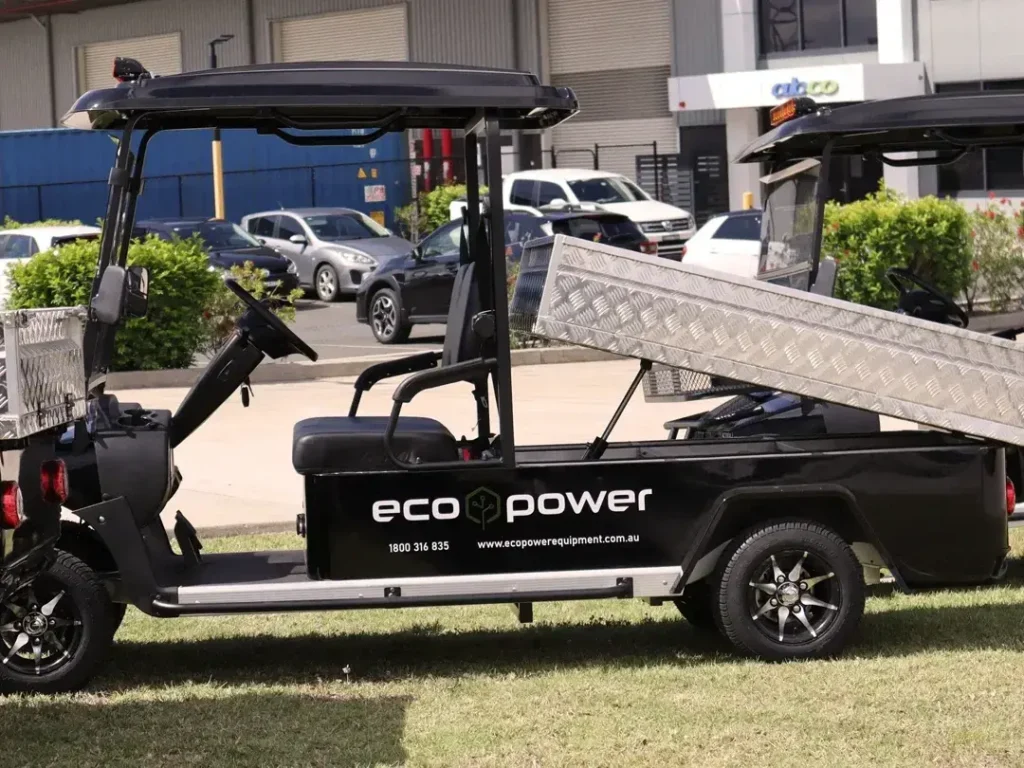
However, electric UTVs may face limitations in terms of range and speed. Depending on the make and model, some electric vehicles may not be suitable for applications requiring long off-road adventures or high speeds.
Sustainability comparison
Sustainability is becoming increasingly important in the modern world. Electric UTVs are more sustainable than gas-powered ones. They emit no harmful pollutants, making them a safer, cleaner and more environmentally friendly option. Some electric UTV models also use renewable energy sources such as solar and wind, further reducing their environmental impact.
Many businesses and individuals still have concerns surrounding the production, sale and disposal of batteries and the environmental impacts of these processes. However, rapid advancements in battery technology are steadily addressing these concerns, with improved recycling processes and the development of more sustainable materials.
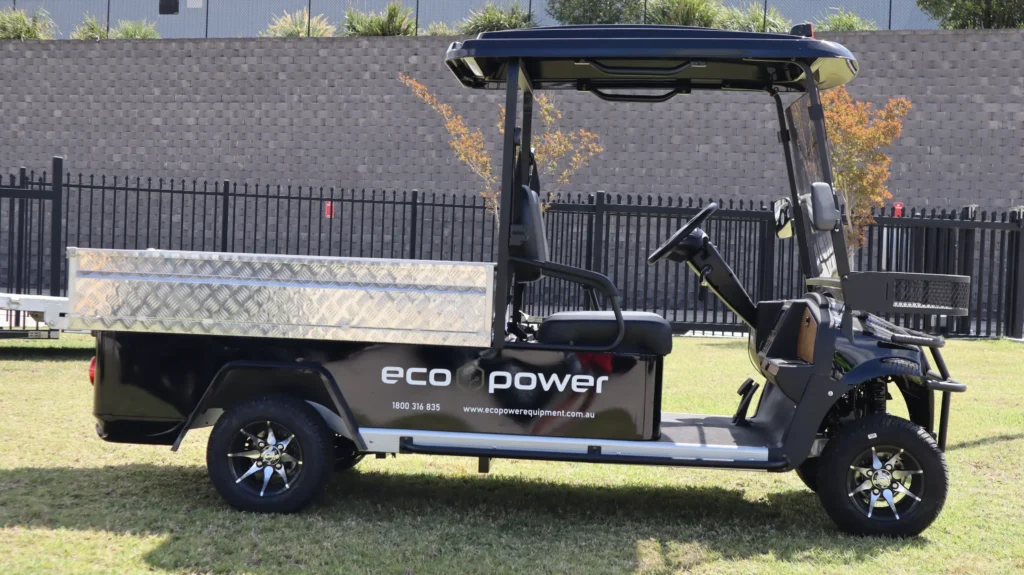
As technology progresses, the overall lifecycle impact of electric UTVs continues to decrease, making them a greener alternative to their gas-powered counterparts.
Gas-powered UTVs, on the other hand, emit harmful pollutants such as carbon dioxide, which contributes to global warming. They also rely on non-renewable energy sources such as oil, which are becoming scarce.
Technological advancements
The rapid advancements in electric vehicle technology have played a pivotal role in narrowing the gap between electric and gas-powered UTVs. One example of the notable developments is the improvement in battery technology, leading to longer driving ranges and shifts per charge cycle. These advancements address some of the primary concerns associated with electric vehicles, making them more practical and efficient for various applications.
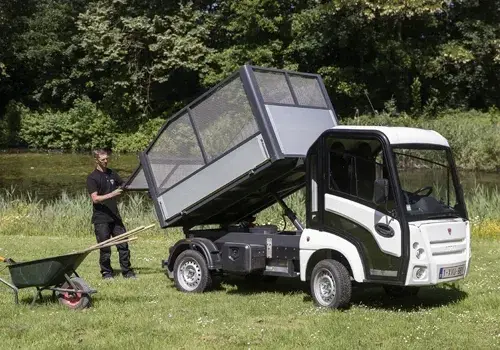
Furthermore, the integration of smart technology into electric UTVs enhances their functionality and efficiency. Features like remote monitoring, automatic transmission real-time diagnostics, and predictive maintenance, reduce downtime and improve overall fleet management. These technological enhancements contribute to the appeal of electric UTVs in commercial settings where efficiency and productivity are paramount.
Charging infrastructure
The availability, quality and accessibility of charging infrastructure are also crucial factors influencing the widespread adoption of electric UTVs. Gas-powered vehicles benefit from having an extensive and reliable network of gas stations, providing a convenient established and reliable refuelling infrastructure. Whereas, the charging infrastructure for electric vehicles is still developing, but it has been growing steadily over recent years.
As more businesses and municipalities invest in charging stations, the range associated with electric vehicles diminishes. Fast-charging technologies are also being developed, allowing electric UTVs to recharge quickly and efficiently. The expansion and quality of charging infrastructure is a critical step in supporting the widespread adoption of electric UTVs and ensuring their practicality for various applications
Choosing between electric and gasoline-powered UTVs depends on various factors, including cost, performance, and sustainability and your company and business goals.
Operational considerations
When comparing electric and gasoline-powered UTVs it’s essential to consider the specific operational needs of businesses and industries. Electric vehicles are well-suited for applications with predictable routes and regular charging opportunities, such as urban deliveries and municipal fleets. On the other hand, gas-powered carts may still be preferred for applications requiring long-distance travel or rapid refuelling, such as certain types of commercial transportation.
The versatility of electric utility vehicle models is expanding with advancements in battery technology and charging infrastructure. However, businesses must carefully assess their operational requirements and consider factors such as driving range, payload capacity, and charging infrastructure availability when deciding between electric and gas-powered utility vehicle models.
Electric or gasoline?
The market transition from gas-powered to electric UTVs represents a significant shift in the transportation and industrial sectors. As technology continues to evolve and address the challenges associated with electric UTVs, the advantages of sustainability, lower operating costs, and improved performance become increasingly apparent. The choice between electric and gas-powered UTVs depends on a variety of factors, including environmental goals, economic considerations, market, and operational requirements.
UTV brands
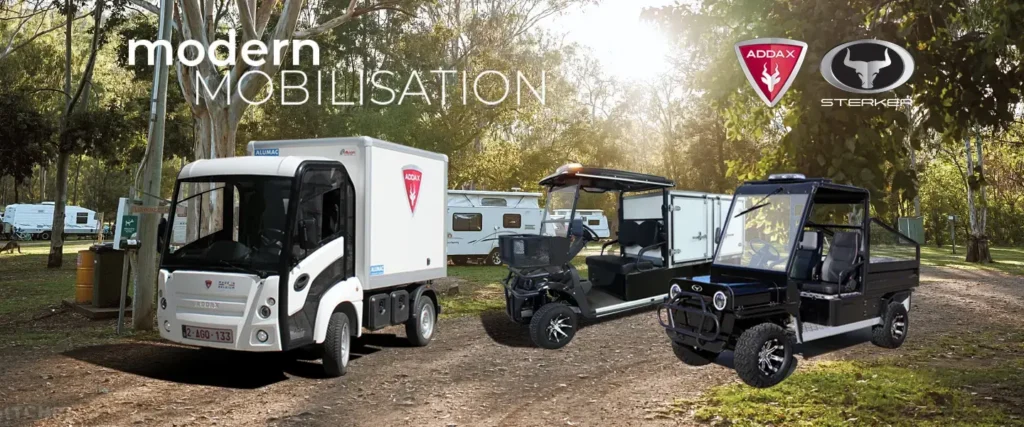
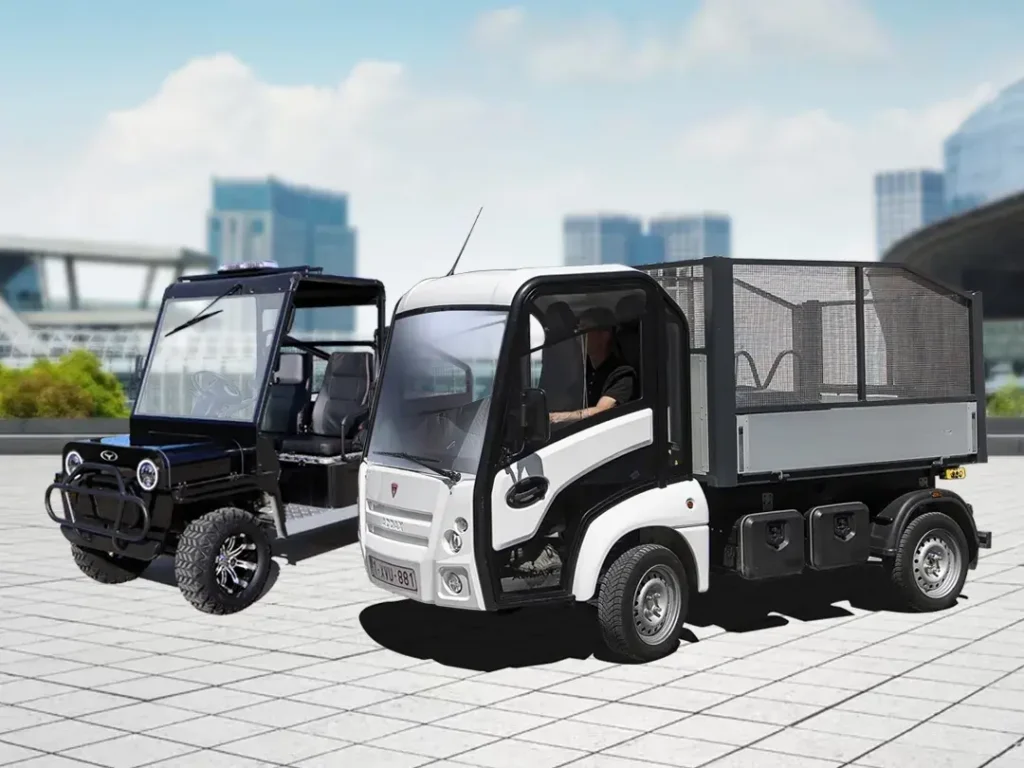
Conquest offers UTVs from two market-leading brands; Addax and Sterker, to learn more about each UTV market top brand visit their website below:
- Addax
- Sterker
It is crucial to consider all the factors carefully to make an informed decision that is both cost-effective, reliable and sustainable for your specific needs and operations. The silent revolution is underway, and innovative technology and electric utility vehicles are steering industries toward a cleaner, quieter, and more efficient tomorrow. If you would like to know more about our electric utility vehicles and what value we can add to your company or business, get in contact with our team today here or call us on 1800 100 150.